
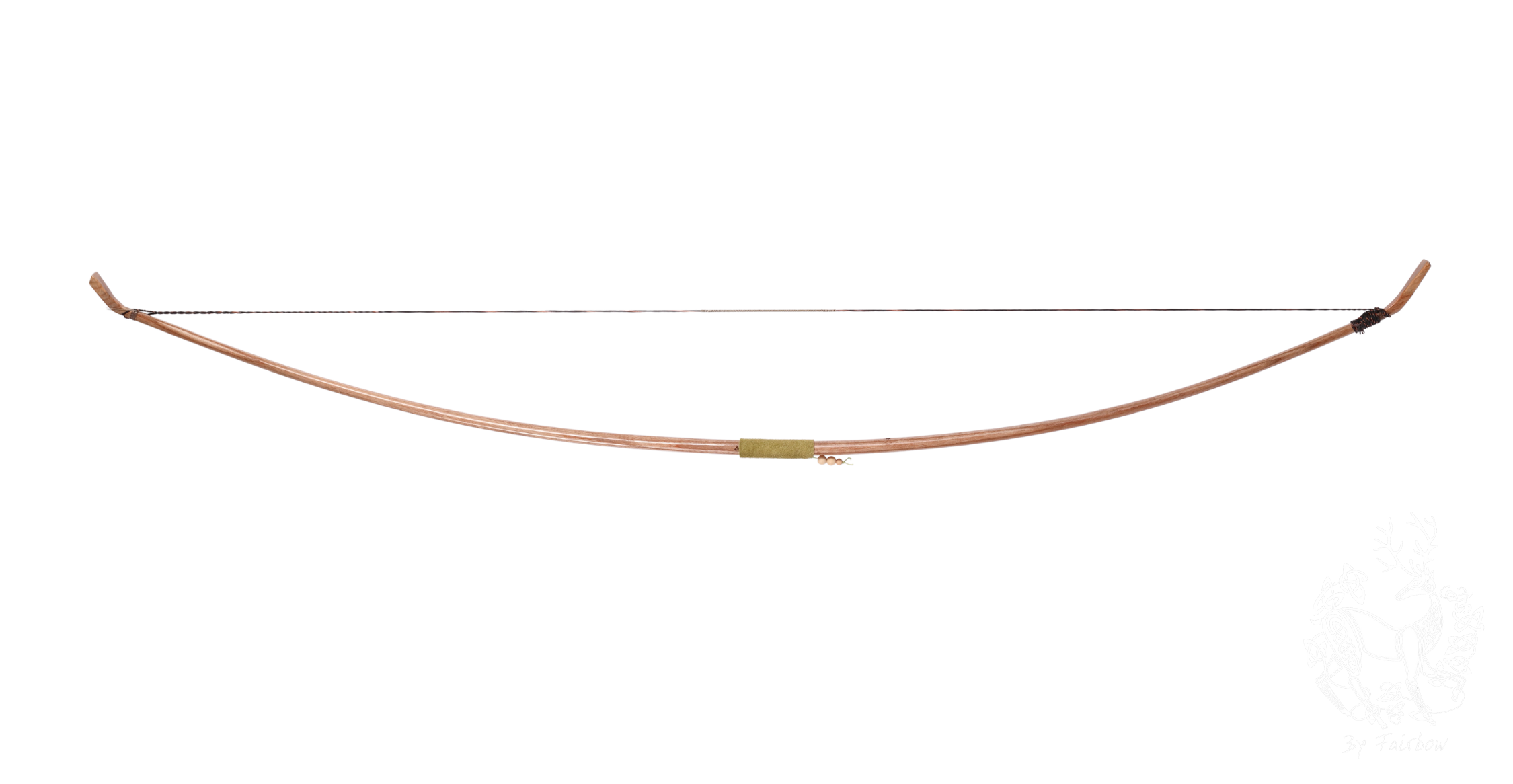
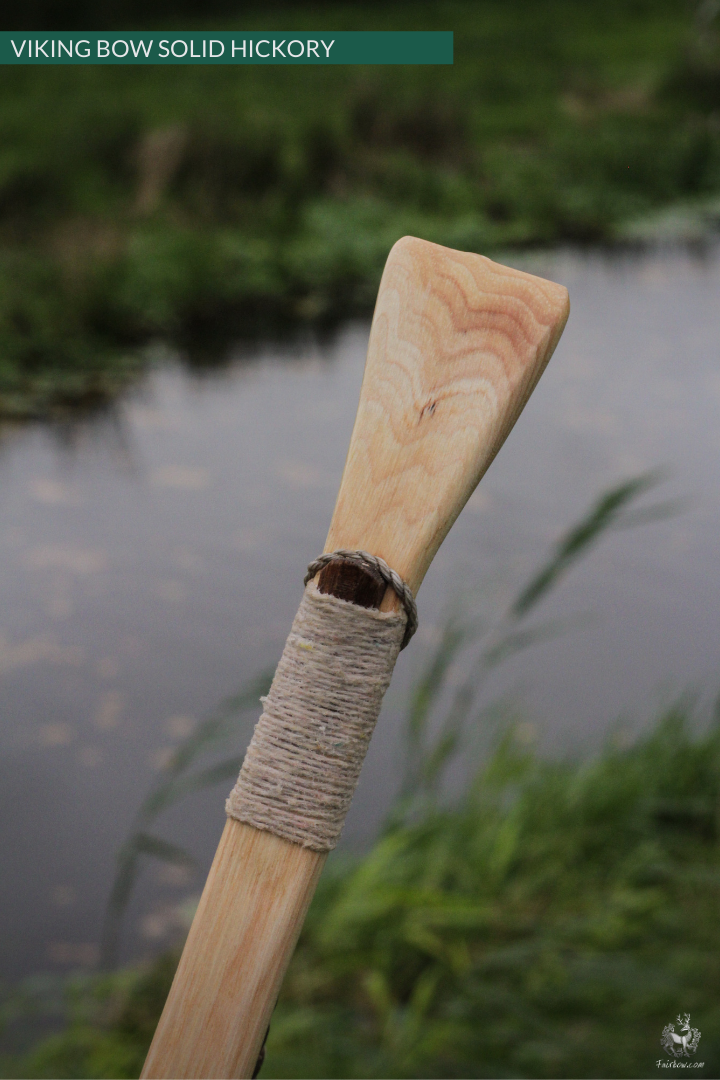
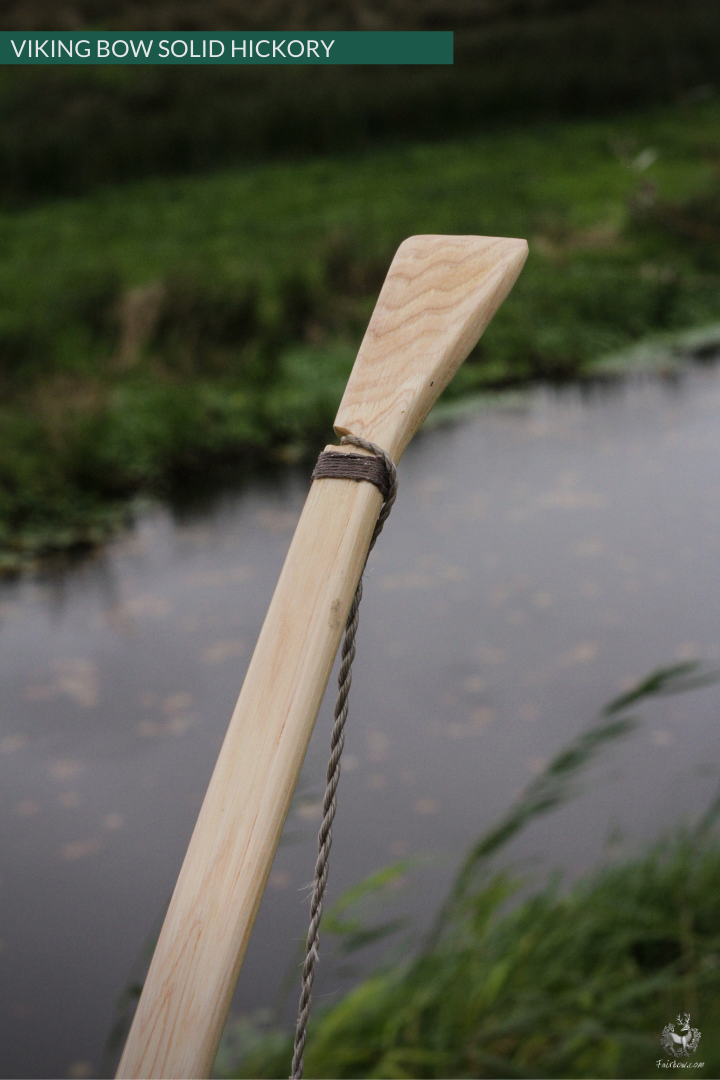
VIKING BOW, SOLID HICKORY SUPERIOR CUSTOM
The Viking bows we made are inspired by the famous Hedeby bows (Haithabu) . At Hedeby some longbows were found with similar characteristics.The Viking bows have a side nock at the top and a glued and bound wooden thorn or wedge at the bottom nock.Our Viking bows are tillered to come round compas...
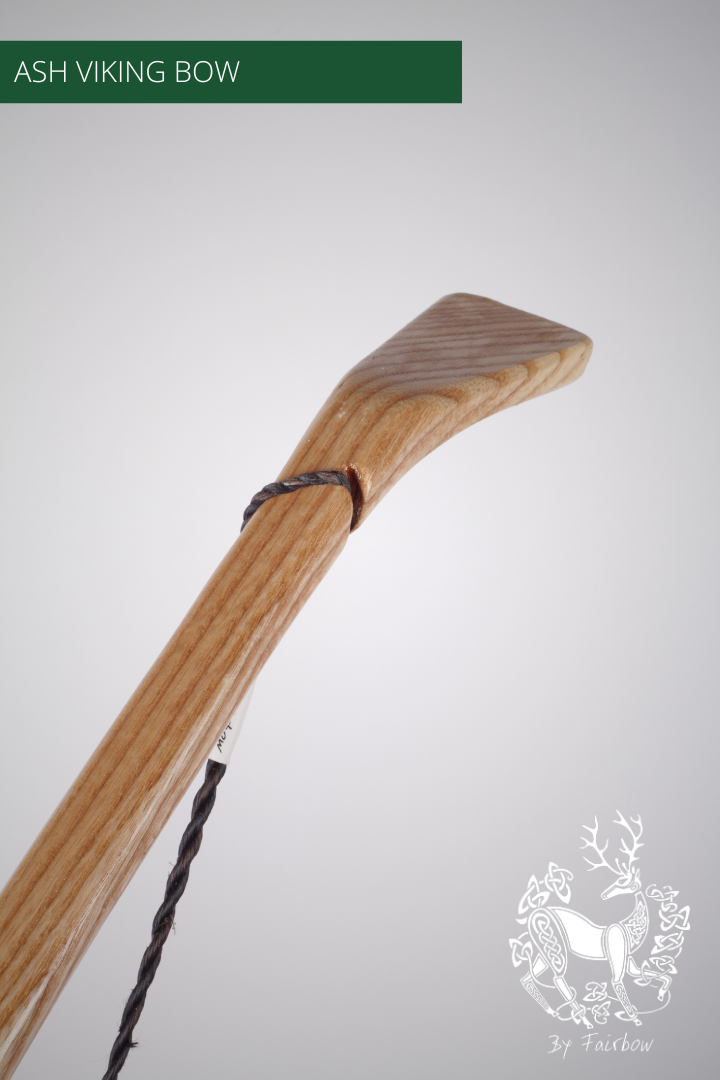
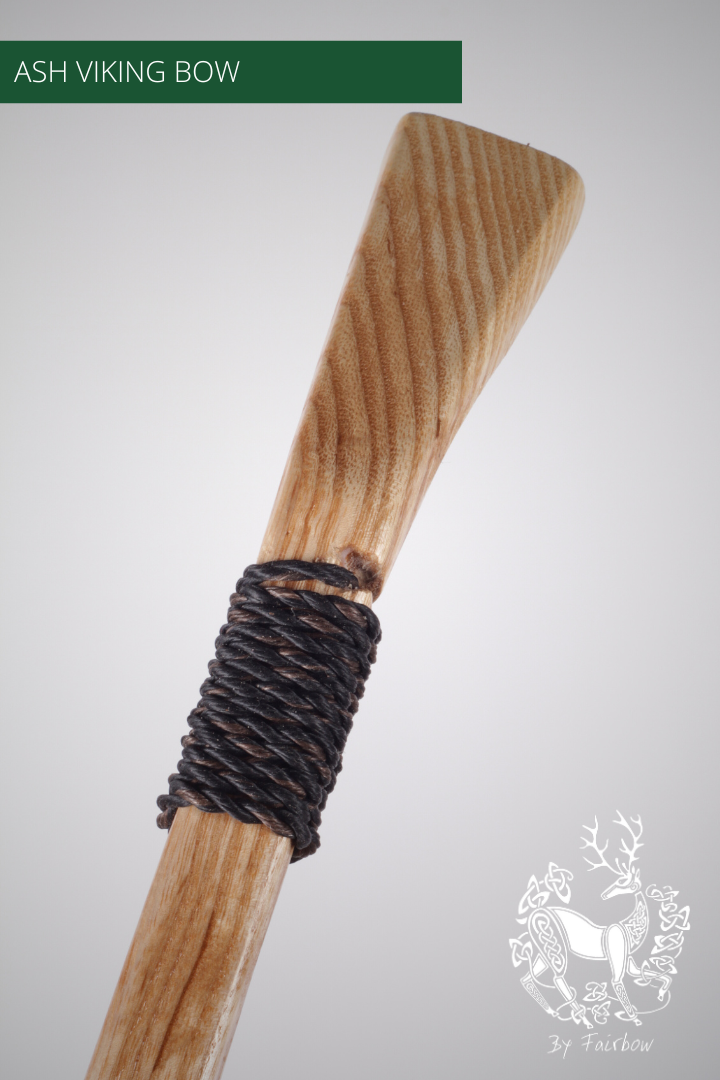
VIKING BOW, SOLID ASH SUPERIOR IN STOCK
The Viking bows we made are inspired by the famous Hedeby bows (Haithabu) . At Hedeby some longbows were found with similar characteristics.The Viking bows have a side nock at the top at the bottom nock.Our Viking bows are tillered to come round compass and are usually made from one single piec...
What is a Viking bow?
A Viking bow is a simple self-bow with straight limbs, made from a single stave of wood. Historical examples found at sites like Hedeby and Ballinderry show D-shaped or rounded cross-sections, lengths between 60 and 72 inch and draw weights ranging from light hunting weights to heavy war weights. There are no glued layers and no recurve; the design relies entirely on careful wood selection and tillering for performance. We build our Viking bows from Hickory, Ash or Yew, following these historical proportions. The result is a bow that looks, feels and shoots like the originals, within the limits of what solid wood can do. For modern drawlengths we make the staves 78 inch long. accomodating for drawlengths up to 31 inch.
How to choose a Viking style bow?
Start with your draw weight. Beginners and casual shooters are well-served by Viking bows between 25 and 35 lbs at 28 inch — comfortable to draw and forgiving on form. Reenactors and stronger archers often go for 40 to 55 lbs, which sits closer to historical hunting weights. Above 55 lbs you enter war-bow territory; expect a steeper learning curve and faster fatigue. Match the bow length to your draw length: stay at or below 28 inch with a 70 inch bow, go longer if you draw 29 or 30 inch. Viking bows are slower than modern laminated bows, so don't expect competition-level cast — they are not built for that.
Craftsmanship and materials
We start with straight-grained Hickory or Ash boards, selected for correct ring spacing and a clean surface. For a yew bow we hand-pick a stave with the heartwood and sapwood in good proportions. The bow is roughed in with a drawknife and rasp, then slowly tillered on the tillering tree, wood is taken off in small passes until both limbs bend evenly and the draw curve runs clean. A 2K finish protects the wood from the elements. Most of our Viking bows are strung with Dacron or B50 strings suited for a self-bow.
FAQ
Wooden arrows are the right match, pine, cedar or spruce shafts for instance, fletched with real feathers and finished with a self-nock or a horn nock. Match the spine to the bow's draw weight; for a 35 lb Viking bow that usually means a 45–50 spine in 11/32 inch. Aluminum and carbon shafts will shoot, but they look wrong on a wooden self-bow and more importantly might be too light. (below 10 grains per pound)
Yes, in the right draw weight. A Viking bow of 25 to 30 lbs at 28 inch is forgiving and a good way to start shooting traditional. Don't begin with a heavy historical-weight bow — you will develop bad form and risk shoulder strain. Pair the bow with someone who can check your stance and release in the first few sessions.
Viking bows are typically shorter (68-74 inch) and have a more rounded or D-shaped cross-section, often from a single broad stave. English longbows are longer (usually 70–78 inch) and have a deeper, narrower D-section made from a yew stave with heartwood on the belly and sapwood on the back. The shooting feel differs accordingly — Viking bows are quicker to handle, longbows are smoother on the draw.